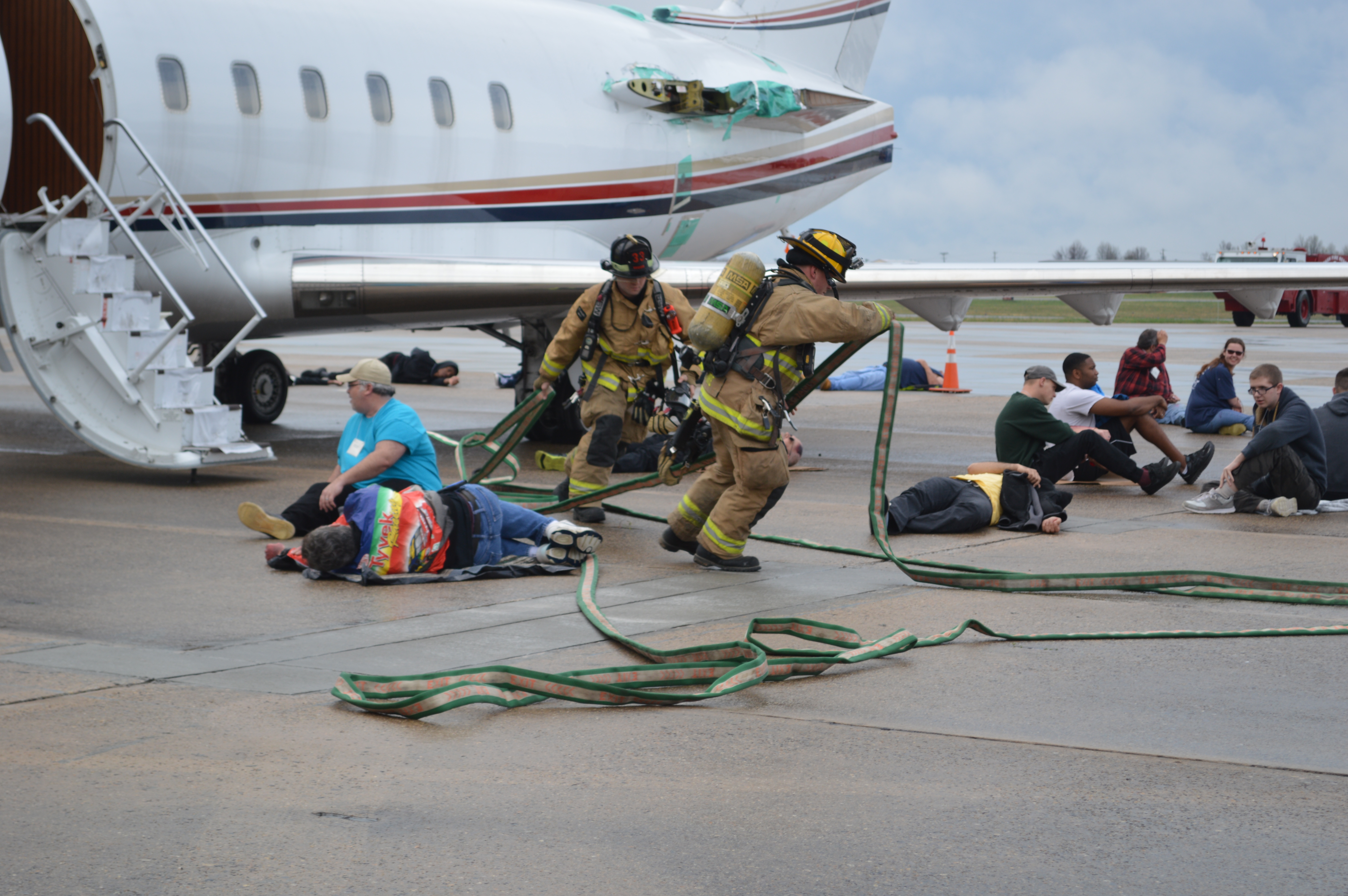


Aviation safety depends on preparation, precision, and rapid response. As air traffic volumes increase and aircraft technology evolves, the ability to detect, communicate, and respond to emergencies quickly is more important than ever. Advanced emergency systems play a critical role in reducing risk, protecting lives, and ensuring coordinated action during high-stakes situations.
Early Detection and Situational Awareness
Modern emergency systems are designed to identify potential threats as early as possible. Sensors, monitoring tools, and automated alerts provide real-time data on abnormal conditions such as system failures, fire risks, or unauthorized access. Early detection allows flight crews, ground teams, and emergency responders to take action before a situation escalates.
Improved situational awareness helps decision-makers assess severity, deploy resources effectively, and minimize response times.
Faster, Clearer Communication
In aviation emergencies, clear communication is essential. Advanced systems ensure that alerts and critical information are delivered instantly to the right people across multiple channels. Visual indicators, audible alerts, and digital notifications reduce confusion and eliminate delays caused by manual processes.
Integrated communication ensures that pilots, air traffic control, maintenance teams, and emergency services remain aligned throughout an incident.
Coordinated Emergency Response
Effective emergency response requires coordination across aircraft, airfields, and response teams. Advanced systems support synchronized actions by linking alerting, dispatch, and response protocols. This coordination reduces redundancy and ensures that each team understands its role during an emergency.
Well-integrated airport emergency systems are especially important for managing incidents on the ground, where multiple agencies must respond simultaneously and efficiently.
Supporting Compliance and Safety Standards
Aviation operates under strict regulatory and safety requirements. Advanced emergency systems help organizations meet these standards by providing reliable documentation, audit trails, and automated testing capabilities. Consistent system performance supports compliance while reinforcing a culture of safety and accountability.
Meeting regulatory expectations also builds trust with passengers, staff, and governing authorities.
Enhancing Reliability and Preparedness
Emergency systems must perform flawlessly under pressure. Modern solutions are designed with redundancy, fail-safe mechanisms, and continuous monitoring to ensure reliability even during power failures or network disruptions. Regular system testing and updates further strengthen preparedness.
This reliability gives aviation professionals confidence that systems will function as intended when they are needed most.
Conclusion
Improving aviation safety requires more than procedures—it requires technology that supports rapid detection, clear communication, and coordinated response. Advanced emergency systems provide the foundation for safer skies by reducing response times, enhancing situational awareness, and ensuring reliable performance in critical moments. Investing in these systems is an essential step toward protecting lives, maintaining operational integrity, and advancing the future of aviation safety.

Blogging Co-Op Team of Awesomeness for all things Cocktails, Music, and Fitness.